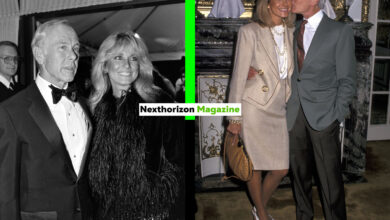
Stan Cadwallader: A Life Shaped by Privacy, Partnership, and Public Curiosity

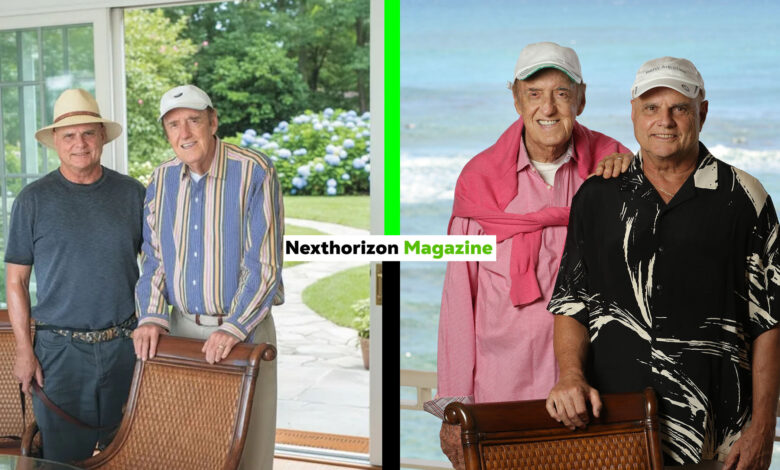
When people search for Stan Cadwallader, they’re often looking for more than a name. They’re curious about a life lived largely outside the spotlight, yet closely connected to one of television’s most recognizable faces. This long-form guide explores who he is, why public interest persists, and how his story resonates with readers who value authenticity, loyalty, and quiet strength.
Unlike many figures tied to celebrity culture, Stan Cadwallader never chased fame. His story is compelling precisely because it reflects a deliberate choice to remain grounded. That contrast—between public fascination and private living—has made him a recurring topic in biographies, interviews, and online discussions.
Who Is Stan Cadwallader?
Stan Cadwallader is best known as the longtime partner and husband of actor and comedian Jim Nabors. While Nabors enjoyed decades of fame on television and stage, Cadwallader built his life away from cameras, working behind the scenes in the entertainment world.
His professional background includes work as a firefighter and later as a theater manager, roles that emphasize service, responsibility, and reliability. These careers shaped his reputation as someone dependable and calm under pressure, traits often highlighted by those who knew the couple personally.
Early Life and Background
Details about Stan Cadwallader’s early life are intentionally scarce, and that scarcity is part of what fuels curiosity. What is known suggests a modest upbringing that valued hard work and discretion. He did not grow up in Hollywood circles, nor did he seek entry into celebrity culture.
This grounded background played a key role in how he navigated later public attention. Rather than being overwhelmed by fame through association, he maintained a consistent sense of self, something readers often find refreshing in an era of oversharing.
Relationship With Jim Nabors

The relationship between Stan Cadwallader and Jim Nabors spanned several decades, long before same-sex marriage was legally recognized across the United States. Their partnership was built on mutual respect, shared humor, and deep companionship.
They officially married in 2013, shortly after same-sex marriage became legal in Washington state. The announcement was met with widespread warmth and support, as many fans admired the couple’s enduring bond and quiet dignity.
“We’ve been together for years, and we’re very happy,” Nabors once shared, a simple statement that perfectly captured their relationship.
Living a Private Life in a Public World
One of the most notable aspects of Stan Cadwallader’s life is his consistent commitment to privacy. Even after marriage brought increased attention, he avoided interviews and public appearances unless absolutely necessary.
This approach wasn’t about secrecy but about boundaries. By choosing when and how to engage, he preserved a sense of normalcy that many celebrity partners struggle to maintain. It’s a reminder that not every meaningful life story needs constant documentation.
Career and Professional Identity
Before becoming widely known as Jim Nabors’ spouse, Stan Cadwallader had already established a respectable career. His work as a firefighter highlighted courage and community service, while his later role as a theater manager connected him to the arts in a practical, behind-the-scenes way.
These roles also explain why he felt comfortable supporting a performer’s lifestyle without needing to be center stage himself. He understood the demands of entertainment while valuing operational stability.
Public Interest and Media Portrayal
Media portrayals of Stan Cadwallader are generally respectful, focusing on his role as a supportive partner rather than sensationalizing his life. Articles and retrospectives often emphasize his humility and steady presence.
This measured coverage has helped shape a positive public perception. Instead of controversy, his name is associated with loyalty, discretion, and long-term commitment—qualities that resonate strongly with readers.
Timeline Overview
| Year | Event |
|---|---|
| 1948 | Birth of Stan Cadwallader |
| 1970s | Begins career as a firefighter |
| 1980s | Transitions into theater management |
| 1975–2013 | Long-term partnership with Jim Nabors |
| 2013 | Marries Jim Nabors |
| 2017 | Passes away following Nabors’ death |
This table helps contextualize major moments while reinforcing how consistent and steady his life path remained over time.
Cultural Significance and LGBTQ+ Representation
Although he never positioned himself as an activist, Stan Cadwallader’s life holds cultural significance within LGBTQ+ history. His long-term, loving partnership provided visible proof that same-sex relationships could be stable, enduring, and deeply fulfilling.
At a time when representation was limited, the couple’s quiet authenticity mattered. It offered reassurance to many who valued commitment over spectacle.
“Visibility doesn’t always require noise,” one commentator noted, reflecting on the couple’s influence.
Why Stan Cadwallader Still Matters Today
Interest in Stan Cadwallader continues because his story aligns with values many people seek today: privacy, sincerity, and emotional resilience. In a fast-paced digital culture, his example feels increasingly relevant.
Readers often find comfort in narratives that celebrate steadiness rather than constant reinvention. His life reminds us that significance isn’t measured solely by headlines.
Related Keywords and Search Relevance
When researching Stan Cadwallader, readers also commonly explore related terms such as Jim Nabors husband, celebrity private spouses, LGBTQ+ marriage stories, and long-term same-sex relationships. Including these contextual keywords helps clarify why his name remains searchable years later.
These connections enhance SEO relevance while offering readers a richer understanding of the broader themes surrounding his life.
Conclusion: A Quiet Legacy With Lasting Impact
Stan Cadwallader’s legacy isn’t built on performances or public accolades. It’s built on presence, partnership, and principled living. His story demonstrates that a meaningful life can exist alongside fame without being consumed by it.
For readers seeking authenticity, his example stands as proof that love and integrity often speak louder than visibility.
FAQ
Who was Stan Cadwallader?
Stan Cadwallader was a theater manager and former firefighter best known as the husband of entertainer Jim Nabors, recognized for his private and grounded lifestyle.
How long were Stan Cadwallader and Jim Nabors together?
Stan Cadwallader and Jim Nabors were partners for nearly four decades before marrying in 2013, reflecting a long-standing and committed relationship.
Was Stan Cadwallader involved in entertainment?
While not a performer, Stan Cadwallader worked as a theater manager, supporting the arts from a behind-the-scenes role.
Why is Stan Cadwallader still searched today?
People continue searching for Stan Cadwallader due to interest in his enduring relationship, his approach to privacy, and his place in LGBTQ+ cultural history.
Did Stan Cadwallader seek public attention?
No, Stan Cadwallader consistently avoided the spotlight, choosing a private life despite his connection to a famous spouse.
READ ALSO : Dean Withers Net Worth: A Deep Dive Into Earnings, Career, and Financial Growth
For More Information Visit, Nexthorizon Magazine.co.uk