
Chief Technical Examiner: Role, Responsibilities, Skills, and Career Growth Guide


In many high-stakes industries, technical accuracy and compliance are non-negotiable. This is where the chief technical examiner plays a critical leadership role. Acting as a bridge between technical teams, regulatory bodies, and organizational leadership, this position ensures that standards are not only met but consistently exceeded.
A modern chief technical examiner is far more than a reviewer or inspector. They are strategic decision-makers who influence safety protocols, operational efficiency, and long-term technical planning. From manufacturing and aviation to education certification and government auditing, this role has become essential in maintaining credibility and trust across sectors.
Understanding the Role and Core Purpose
At its core, the role revolves around validating technical processes, reviewing complex documentation, and ensuring regulatory compliance across operations. A chief technical examiner typically supervises teams of examiners, auditors, or inspectors while setting technical policies that align with industry regulations.
Beyond compliance, the position often contributes to innovation. By identifying system weaknesses and improvement opportunities, the role helps organizations avoid costly mistakes. Many companies rely on a senior technical inspection authority or technical compliance officer to perform similar functions, but this leadership role usually carries broader organizational responsibility.
Another key purpose is maintaining technical integrity across projects. Whether verifying engineering standards or validating testing procedures, the position ensures that outputs meet legal, ethical, and safety expectations.
Key Responsibilities in Day-to-Day Operations
Daily tasks can vary by industry, but most organizations expect the chief technical examiner to oversee inspection frameworks, technical audits, and examiner training programs. They review technical reports, validate testing procedures, and ensure documentation meets both internal and external regulatory requirements.
Communication is also central to the job. The role often requires presenting findings to executives, regulatory agencies, and project stakeholders. Clear communication helps non-technical leaders understand risks, compliance status, and technical limitations.
In many organizations, this position also participates in risk management planning. By identifying compliance gaps early, they help prevent legal issues, operational shutdowns, or safety failures. Related job titles include senior quality assurance director, regulatory inspection manager, and technical standards leader.
Essential Skills and Competencies Required
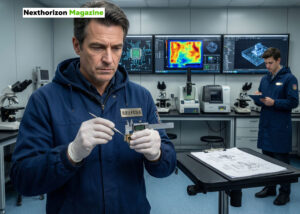
Technical expertise is the foundation of success. A chief technical examiner must understand industry-specific standards, testing methodologies, and compliance frameworks. This often requires years of hands-on technical experience combined with leadership training.
Analytical thinking is equally important. The role involves evaluating large amounts of technical data and drawing accurate conclusions. Strong problem-solving skills allow professionals to identify root causes instead of just symptoms.
Leadership and mentoring abilities are also crucial. Many professionals in this position manage technical teams and must train new examiners while maintaining performance standards.
Here is a helpful overview of key skill areas:
| Skill Category | Why It Matters | Example Application |
|---|---|---|
| Technical Knowledge | Ensures accurate evaluations | Reviewing engineering compliance |
| Leadership | Guides examiner teams | Managing audit departments |
| Communication | Explains complex findings | Presenting regulatory reports |
| Risk Analysis | Prevents operational failures | Identifying safety gaps |
| Documentation Review | Ensures traceability | Validating testing records |
Educational Background and Certification Pathways
Most professionals enter the field through technical disciplines such as engineering, applied sciences, or industrial technology. Many organizations prefer candidates with advanced degrees, especially for leadership positions like chief technical examiner.
Certifications can significantly improve career prospects. Industry-specific certifications such as quality management credentials, compliance auditing certifications, or technical inspection licenses are highly valued.
Continuous education is also important. Regulations and technical standards evolve constantly, meaning professionals must stay updated through workshops, training programs, and industry conferences.
Industries That Commonly Employ This Role
This leadership position appears in multiple sectors. Aviation authorities rely on technical examination leaders to validate safety procedures. Manufacturing companies use them to ensure product quality and compliance. Educational and certification bodies depend on technical exam leadership to maintain exam integrity.
Government agencies also frequently employ a chief technical examiner to audit public infrastructure projects and technical compliance programs. Healthcare technology and energy sectors have also increased demand for this role due to strict regulatory oversight.
The rise of automation and digital compliance tools has expanded the role further. Many organizations now integrate technical auditing with data analytics and predictive compliance monitoring.
Career Growth and Advancement Opportunities
Career progression often begins with roles like technical inspector, quality engineer, or compliance auditor. With experience and leadership skills, professionals can move into management and eventually reach the chief technical examiner level.
From there, career paths can expand into executive roles such as technical director, compliance head, or operations executive. Some professionals transition into consulting roles, helping organizations build compliance frameworks from the ground up.
Salary growth is usually strong due to the high level of responsibility and specialized expertise required. Leadership experience and cross-industry knowledge significantly increase earning potential.
Challenges and Real-World Expectations
One major challenge is balancing operational speed with regulatory compliance. Companies often want faster results, while regulations demand careful documentation and verification. A chief technical examiner must maintain this balance without compromising standards.
Another challenge is staying updated with regulatory changes. Many industries update technical standards frequently, requiring constant learning and adaptation.
Here are some industry insights:
“Technical compliance is not about slowing innovation. It is about making innovation sustainable and safe.” — Industry Compliance Consultant
“Strong technical examination leadership protects both customers and organizations from invisible risks.” — Senior Quality Director
Technology and the Future of Technical Examination
Digital transformation is reshaping the field. Many modern technical examination departments use automation, AI-based compliance monitoring, and digital audit trails. A chief technical examiner increasingly needs data literacy and familiarity with compliance software platforms.
Remote auditing tools are also growing in popularity. Cloud-based inspection systems allow teams to collaborate globally while maintaining compliance standards.
Future trends indicate increased demand for professionals who can combine technical expertise with digital strategy. Organizations want leaders who understand both engineering and data-driven compliance systems.
Conclusion
The role of a chief technical examiner has evolved into a strategic leadership position that blends technical expertise, regulatory knowledge, and organizational influence. As industries become more complex and regulated, the importance of this role continues to grow.
Professionals who combine technical mastery with leadership skills can build long, rewarding careers in this field. With growing demand across multiple sectors, this position offers strong job stability and advancement potential. Organizations increasingly rely on this leadership role to ensure safety, quality, and long-term operational success.
FAQ Section
What does a chief technical examiner do daily?
A chief technical examiner typically reviews technical reports, supervises inspection teams, ensures regulatory compliance, and communicates findings to leadership. Daily tasks often involve risk analysis and technical validation processes.
What qualifications are needed to become a chief technical examiner?
Most professionals need a technical degree, industry experience, and compliance certifications. Leadership experience is also important for reaching the chief technical examiner level in most organizations.
Is this role only found in engineering industries?
No, the chief technical examiner role exists in aviation, manufacturing, education certification, healthcare technology, and government sectors where technical compliance is essential.
How long does it take to reach this career level?
Reaching this position often takes 8–15 years of technical and leadership experience. Many professionals start in technical inspection or compliance auditing roles before becoming a chief technical examiner.
Is the demand for this role increasing?
Yes, demand is growing due to stricter regulations, digital compliance monitoring, and increasing technical complexity across industries. Organizations rely on a chief technical examiner to maintain trust and safety standards.
READ ALSO : Cowboys Kendall Fuller Free Agency: What It Means for Dallas and the NFL Market
For More Information Visit, Nexthorizon Magazine.co.uk